


PMI UPDATES
Discover our groundbreaking advances in wound care technology and industry-leading solutions for burn treatment and complex wounds.

Discover our groundbreaking advances in wound care technology and industry-leading solutions for burn treatment and complex wounds.
At the ISBI 2026 Congress in Santiago de Chile (11–15 October), burn teams from Latin America, the United States, South Africa, Germany and Türkiye presented 18 abstracts on polylactic acid (PLA)-based skin substitutes. The studies cover the full care pathway—from early burn treatment to complex reconstruction, palliative care and mass casualty response.
The abstracts feature PMI’s two technologies. SUPRATHEL® is a synthetic, bioresorbable epidermal substitute for superficial and partial-thickness burns and donor sites, now in its 25th year of clinical use. SUPRA SDRM® is a bioresorbable dermal matrix for partial-thickness burns mixed with third-degree areas and complex wounds.
This playbook turns the scientific abstracts into clear clinical takeaways: what was studied, what was found and why it matters. Studies are grouped by clinical theme, making it easy to find the evidence most relevant to each area of practice.
All summaries are based on abstracts submitted and presentations given at ISBI 2026. Most are case series or single-center studies, and some authors refer to the products generically as PLA membranes or matrices.
Mode of action and preclinical evidence
Two mechanistic reviews and one animal study explain why PLA membranes act beyond passive wound cover: lactate released during resorption drives angiogenesis, inflammation control and pain relief.
Lactate-Mediated Healing in Burns: Mechanistic Insights Into the Bioactivity of PLA-Based Membranes
Authors: Jose Luis Ramírez-GarcíaLuna, Mario Aurelio Martínez-Jiménez, Ana Lorena Novoa-Moreno, Juan Francisco Asenjo
Product: SUPRATHEL®
Method: Mechanistic review of cellular, animal and human studies on lactate released from PLA-based epidermal membranes in burns, covering vascular, immune and neurosensory responses.
Key points: Lactate mimics hypoxic signaling, activating HIF-1α and VEGF-driven neo angiogenesis. It supports fibroblast survival, keratinocyte proliferation and matrix deposition, shifts macrophages from M1 to reparative M2, lowers wound pH to limit bacterial growth and desensitizes TRPV1 nociceptors. Clinically, these effects correlate with faster healing, lower infection rates, fewer grafts, and better patient comfort.
Conclusion: PLA membranes act as bio-inductive platforms, not only as physical covers. This suits them to partial thickness burns, with potential in complex wound care; further trials should define optimal indications.
Modulation of pain in burn injuries through lactate-mediated mechanisms: a mechanistic review of polylactic acid membranes, clinical and biological impact
Authors: Jose Luis Ramírez-GarcíaLuna, Mario Aurelio Martínez-Jiménez, Ana Lorena Novoa-Moreno, Juan Francisco Asenjo
Product: SUPRATHEL®
Method: Mechanistic review combining randomized controlled trials and molecular studies, focused on inflammation, neuroreceptor signaling and wound microenvironment.
Key points: In RCTs, PLA membranes gave rapid, sustained pain relief in partial-thickness burns and donor sites from the first application. Lactate acts through four pathways: wound-bed acidification, TRPV1 modulation, down-regulation of IL-1β and TNF-α, and support of cell survival under hypoxia.
Conclusion: Mechanistic evidence supports the analgesic effect seen in the clinic. The authors position PLA membranes as a pain-modulating intervention as well as a skin substitute.
The effects of three burn dressings using frequently on stasis zone during the first 48 hours after partial burn in rats
Authors: Mehmet Demircan, K. Gürünlüoğlu, M. Gui — İnönü University
Product: SUPRATHEL® (polylactide membrane, PLM)
Method: Rat model with five groups of 10: healthy control, untreated burn, silver sulfadiazine, silver hydrofiber and PLM. Skin thickness in the stasis and hyperemia zones was measured on H&E histology; an increase of 15% or more over control counted as oedema.
Key points: PLM-treated rats showed the highest mean skin thickness, while oedema was significantly lower with both silver products. Oedema was directly proportional to perfusion of the stasis zone.
Conclusion: The authors read early oedema as a sign of preserved perfusion. Together with PLM’s published anti-inflammatory and antioxidant effects, they conclude that PLM keeps the stasis zone viable and perfused.
Facial burns and trauma
Three studies from Mexico report rapid facial healing with no complications and favorable aesthetic outcomes; complete epithelialization within about 7–10 days in burns, faster oedema resolution, no dressing changes and low scar scores after facial trauma.
Prospective Quantitative Assessment of Facial Edema Resolution in Burn Patients Treated With Suprathel Versus Conventional Therapy
Authors: Mario Vélez-Palafox, R. Martin, J. Vivas-Montoya, K. Domínguez-Meléndez, L. Rodríguez-Rodríguez
Product: SUPRATHEL®
Method: Prospective, non-randomized comparative study in 15 patients with facial burns. Oedema was measured daily from day 0 to day 6 at three facial regions (frontal, cheek, mandibular/chin) and combined into a composite facial index.
Key points: The SUPRATHEL® group showed faster oedema reduction than conventional topical therapy. The difference appeared early and persisted throughout the study, with a greater percentage reduction in the composite index at multiple time points. No treatment-related complications occurred.
Conclusion: SUPRATHEL® is associated with faster, objectively measured resolution of facial oedema. This may support airway management, patient monitoring, and early clinical decisions.
Clinical and aesthetic results of the use of alloplastic epidermal substitutes in facial burns: Case series in a reference center in Mexico
Authors: Jesús Rigoberto Covarrubias Rodríguez, R. Martínez López, A. Ochoa Rodríguez, A. López Contreras, J. Estrada Adame, M. Vélez Palafox, F. Ferreira Aparicio, A. Elnecave Olaiz, A. Pérez Fabián — Instituto Nacional de Rehabilitación
Product: SUPRATHEL®
Method: Retrospective review of 1,437 records (January 2023 – January 2026); 35 patients with facial burns treated with an alloplastic epidermal substitute mask were included.
Key points: Flame burns were most frequent, followed by scalds. Complete epithelialization occurred in about 7–10 days in both superficial and deep facial burns, with no significant difference by age group or comorbidity.
Conclusion: The mask achieved adequate epithelialization across burn depths and was associated with less pain and anxiety, fewer facial sequelae, and lower hospital costs.
Use of PLA Membranes as Treatment for Facial Burns in Adult Patients
Authors: Ana Lorena Novoa-Moreno, Adriana Góngora-Martínez, Victor Manuel Loza-González, Jose Luis Ramírez-GarcíaLuna, Hector R. López-Lazcano, Mario Aurelio Martínez-Jiménez
Product: SUPRATHEL®
Method: Case series of 4 adults with superficial partial-thickness facial burns (flame, scald, chemical). After surgical debridement, a PLA membrane was applied alone and followed until complete re-epithelialization.
Key points: The membrane adhered consistently and detached gradually as healing completed. No secondary dressings or dressing changes were needed, and growing transparency allowed continuous wound assessment. No infection, delayed closure or hypertrophic scarring occurred; all patients had near-normal skin at follow-up.
Conclusion: PLA membranes are a safe, practical option for superficial partial-thickness facial burns, supporting their place in facial burn treatment algorithms.
Pediatric burns
Three studies, two in Mexico and one from South Africa, highlight the use of PLA-based technologies across pediatric and partial-thickness burns, with fast re-epithelialization, successful grafting and favorable long-term outcomes.
Two Mexican pediatric burn units show re-epithelialization in under 10 days for most children with partial-thickness burns, and successful graft take in all five reconstructions of burn sequelae. A prospective controlled study from South Africa adds healing within two weeks for most trunk and limb burns.
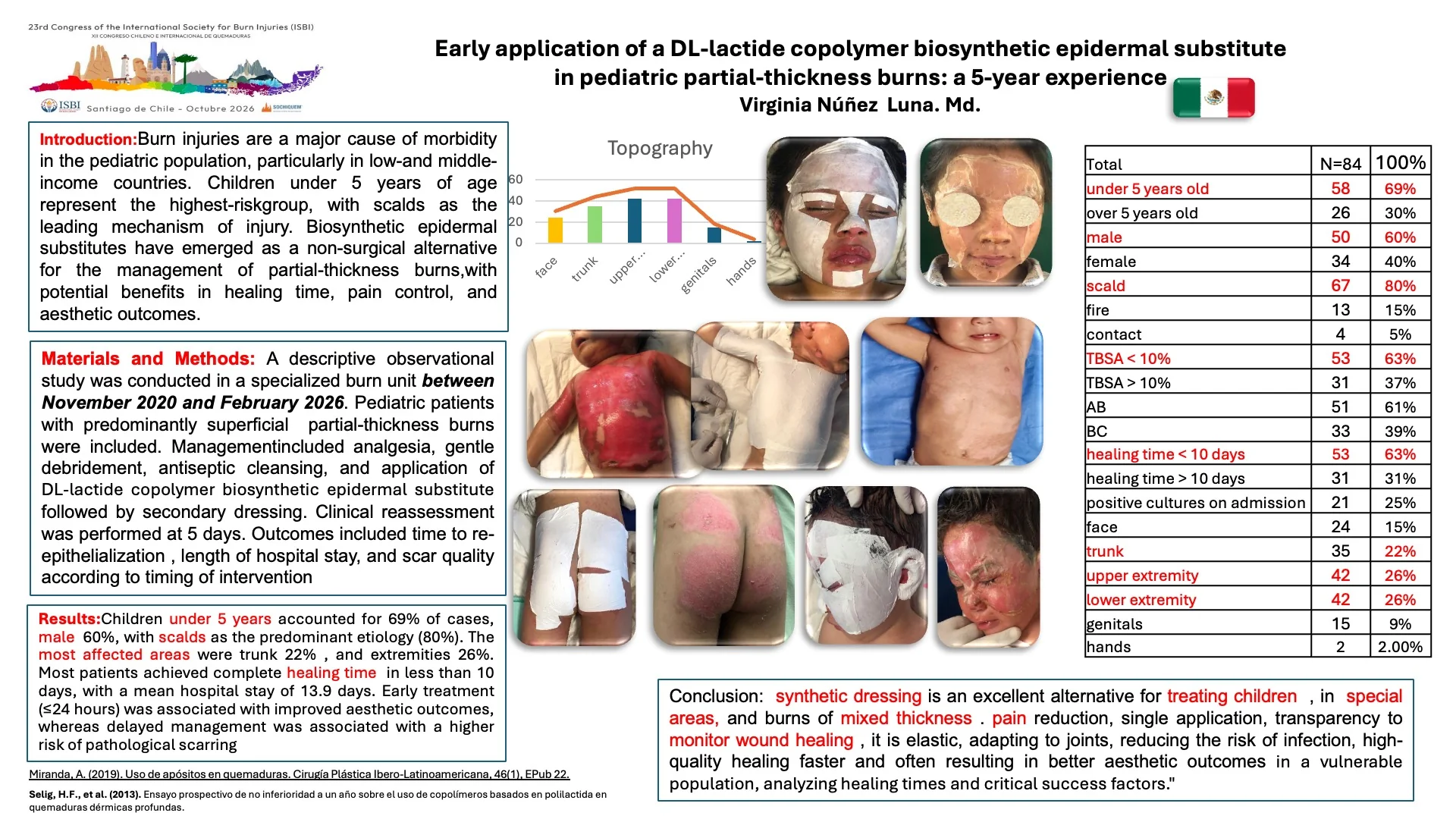
Early application of a DL-lactide copolymer biosynthetic epidermal substitute in pediatric partial-thickness burns: a 5-year experience
Authors: Virginia Núñez Luna — Michou y Mau Unit for Burned Children, Xochimilco Maternal-Pediatric Hospital
Product: SUPRATHEL®
Method: Descriptive observational study, November 2020 – February 2026, in children with mainly superficial partial-thickness burns.
Treatment: analgesia, gentle debridement, antiseptic cleansing, membrane application and secondary dressing, with reassessment at day 5.
Key points: Of 84 children, 69% were under 5, 80% had scald burns and 63% had burns below 10% TBSA. 63% re-epithelialized completely in under 10 days; mean
hospital stay was 13.9 days. Treatment within 24 hours was associated with better aesthetic outcomes, while delayed treatment raised the risk of pathological scarring.
Conclusion: Early use of the epidermal substitute is a safe, effective non-surgical option for pediatric partial-thickness burns. Single application, pain reduction, transparency and elasticity over joints make it suitable for outpatient care.
Polylactic Acid Matrix: Successful Use of a Synthetic Dermal Regeneration Matrix in the Surgical Treatment of Burn Wounds and Burn Sequelae in Pediatric Patients
Authors: Juan Eduardo González Aboytes, J. Medina Precaido, J. Briseño Villanueva, R. Miranda Altamirano, L. Chávez Dagostino, M. Hernández Insunza, G. Ruiz, A. Ruiz, M. Navarro Muñoz — Hospital Civil de Guadalajara “Fray Antonio Alcalde”
Product: SUPRA SDRM®
Method: Five children aged 2–17: retractile scars of the foot, axilla and palm, an electrical finger burn and a third-degree toe burn with bone exposure. After scar resection, SUPRA SDRM® stayed in place for an average of 12 days before partial-thickness skin grafting.
Key points: Grafts integrated successfully in all five cases. Patients entered rehabilitation with improved quality of life. SUPRA SDRM® was used across challenging indications, including scar contractures, electrical injury and bone exposure.
Conclusion: SUPRA SDRM® is a safe and functionally successful part of surgical strategy for pediatric burn wounds and sequelae, helping to prevent musculoskeletal deformity during growth.
Clinical evaluation of a lacto-capromer epidermal substitute for partial-thickness trunk and limb burns: A prospective controlled study in South African private practice
Authors: Wayne Kleintjes, T. Prinsloo — Sheikh Khalifa Hospital Fujairah Burn Centre of Excellence / Stellenbosch University
Product: SUPRATHEL®
Method: Prospective controlled study in 16 patients with partial-thickness trunk and limb burns. Suprathel was compared to silicone–nylon mesh dressings (Biobrane) covered with silver-based antimicrobial (Acticoat); wounds were assessed at days 7 and 14 and at 6 months.
Key points: Mean age was 14.3 years, mean TBSA 10% and mean hospital stay 8.3 days; 81.3% were liquid-related burns. 75% healed without complications, most within two weeks. Four patients needed limited grafting of small deeper areas, and only one infection occurred in the first two weeks (from the Biobrane+Acticoat group). At day 7, treated wounds were soft, pink and moist with no dressing-related pain; at 6 months they looked near-normal.
Conclusion: SUPRATHEL® is easy to apply, well tolerated and gives effective coverage of partial-thickness burns. It demonstrated clinical outcomes comparable to Biobrane® in partial-thickness burns, with favorable long-term cosmetic results.
Donor sites, mass casualty and enzymatic debridement
Three abstracts show how a ready-to-use synthetic substitute fits demanding workflows: faster donor-site healing, coverage of 11 patients when allograft ran short, and skin-sparing care after enzymatic debridement.
Resorbable microporous synthetic membrane: an alternative for faster recovery and fewer donor-site complications in major burns
Authors: Alfredo Jhossimar Ochoa Rodríguez, J. Covarrubias Rodríguez, R. Martínez López, A. López Contreras, J. Estrada Adame, M. Vélez Palafox, F. Ferreira Aparicio, A. Elnecave Olaiz, A. Pérez Fabián — Instituto Nacional de Rehabilitación
Product: SUPRATHEL®
Method: Prospective study in hospitalized patients with severe burns. Donor sites were treated with a microporous resorbable PLA membrane or conventional petrolatum gauze; pain, re-epithelialization time and infection were assessed over 21 days.
Key points: The PLA membrane group had shorter re-epithelialization, less pain, and fewer infections than the control group.
Conclusion: PLA membranes optimize donor-site recovery in severely burned patients, reduce complications, and shorten the time until donor sites can be re-harvested for grafting.
Successful Use of PLA Skin Substitute in a Burn Mass Casualty
Authors: Schulman C., Adoume M., Kaufman J., Pizano L., Satahoo S.
Product: SUPRATHEL®
Method: Retrospective review of demographics, burn depth, severity and initial operative care in 11 patients from one burn mass casualty incident. Ages ranged from 5 to 41 years. 91% (10/11) had > 10% TBSA and 73% (8/11) had > 20% TBSA. 7/10 presented with deep second degree burns, 3/10 mixed second deep/third degree and 4 sustained inhalation injuries and were intubated
Key points: PLA skin substitute was used for initial coverage of all burn patients, utilizing 107 pieces within the first 4 days, and 124 pieces within the first 7 days. This exceeded the amount of allograft available. A 7-day treatment cost comparison showed a total cost of $29,540 for SUPRATHEL® versus an estimated $105,500 for allograft, based on a cost of $0.70/cm² and $2.50/cm², respectively
Conclusion: The presented experience highlighted the potential value of SUPRATHEL® in burn mass casualty incidents, particularly when resources such as allograft are limited or not readily available. From a practical and logistical perspective, SUPRATHEL® may allow larger quantities of wound coverage material to be readily available, as it is easier to store and manage than allograft. Its rapid and straightforward application could also facilitate the initial treatment of a large number of patients within a limited timeframe. Together with its potential cost advantages, these characteristics make SUPRATHEL® a relevant option to consider for mass casualty preparedness and response.
Safe healing of deep dermal burn wounds after enzymatic debridement and treatment with a three dimensional hydrolytic lactide-based copolymer
Authors: J. L. Schiefer, L. Bubenheim, P. C. Fuchs, W. Heitzmann — Department of Plastic, Reconstructive and Aesthetic Surgery, Hand Surgery, Burn Center, Witten/Herdecke University, Cologne-Merheim Hospital, Germany
Product: SUPRA SDRM®
Method: Prospective study, 2024–2026: 20 patients with deep partial- to full-thickness burns (grade 2b–3) of the upper extremity, treated with a 1.5–2.1 mm lactide-based copolymer matrix after enzymatic debridement.
Key points: All 20 patients healed safely and stably without split-thickness skin grafting. Pain and transdermal water loss fell during healing, and patients were discharged quickly to outpatient care.
Conclusion: The matrix enables stable healing of deep dermal wounds after enzymatic debridement without grafting. The authors link graft avoidance to better scar quality, in line with large US registration studies and their own scar evaluations.
Deep, full-thickness and complex wounds
Three studies show the use of PLA matrices in challenging reconstruction; from exposed bone and tendon to severe chemical, electrical and gunshot injuries.
Improving Autologous Graft Integration in Complex Gunshot Wounds Using a Polylactic Acid-Based Dermal Matrix
Authors: Chloe Maugans, Talia Selembo, Kristy Miller, Alfredo C. Córdova — Department of Surgery, Sarasota Memorial Hospital, Florida State University College of Medicine, Sarasota, FL; Burn Center, Temple University Hospital, Philadelphia, PA
Product: SUPRA SDRM®
Method: Three complex gunshot wounds treated with serial debridement and irrigation, then a PLA-based dermal matrix with concomitant NPWT, followed by autologous skin grafting once a viable bed formed.
Key points: The matrix produced a highly vascularized granulation bed ready for grafting within 14–21 days. Meshed split-thickness grafts achieved nearly 100% take, with complete epithelialization within 10 days of grafting. No matrix-related complications or infections occurred.
Conclusion: The PLA matrix is a safe, effective adjunct in complex blast injuries that may speed definitive closure. Larger prospective studies are needed to confirm the findings.
Severe Alkali Burns Managed with a synthetic Dermal Regeneration Matrix: A case Report from Mexico
Authors: Ruben Martínez López, Ochoa Rodríguez A., Estrada Adame J., Lopez Contreras A., Vélez Palafox M., Ferreira Aparicio F., Elnecave Olaiz A., Perez Fabian A.
Product: SUPRA SDRM®
Method: Case report of a 54 yo male that sustained a chemical burn caused by sodium hydroxide (NaOH) to 35% of TBSA. Right transfemoral and left transtibial amputations were performed as indicated. Left patella and patellar tendon exposure were identified and SUPRA SDRM® was applied along with NPWT followed by split-thickness skin grafting.
Key points: Osteotendinous coverage was achieved using SUPRA SDRM®, NPWT and STSG. At one year follow-up limbs were evaluated for prosthetic socket satisfaction and scar outcomes with good results. Preserving the transtibial level supported better functional outcomes and rehabilitation. This strategy represented a less complex and lower cost alternative compared to a microvascular procedure.
Conclusion: This case demonstrates the feasibility of using SUPRA SDRM® for closure of deep complex soft tissue defects even in the presence of exposed avascular structures allowing simpler closure strategies.
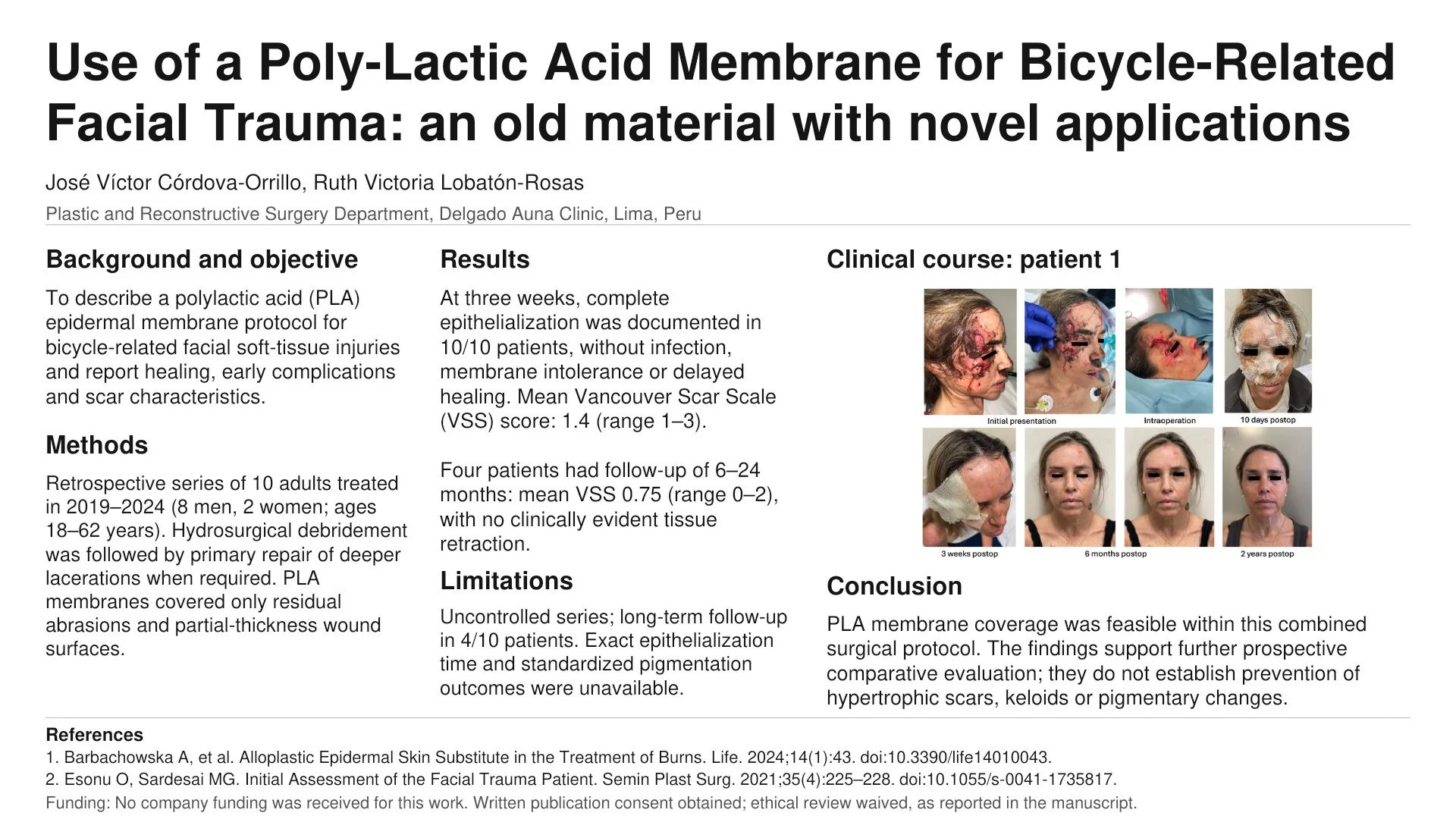
From Limb Threat to Functional Recovery: Functional and Wound Outcomes After Reconstruction with Polylactic Acid Macro-Micropore Dressing with Negative Pressure Therapy in a High-Voltage Electrical Foot Injury
Authors: Ana Claudia Lopez Contreras, Estrada J., Covarrubias R., Martínez R., Ochoa A.
Product: SUPRA SDRM ®
Methods: 37-year-old male with a high-voltage electrical foot injury and exposed bone. Treated with Supra SDRM® + NPWT for two consecutive cycles (14 days), followed by STSG and 2-year follow-up. Functional and scar outcomes were assessed using FAAM, LEFS, and POSAS.
Keypoints: After 14 days, granulation tissue covered the previously exposed tendon and bone, creating a suitable wound bed for successful STSG. At 2 years, the patient had independent ambulation and excellent functional outcomes (FAAM and LEFS 95%), with favorable cosmetic/scar results.
Conclusions: SUPRA SDRM® was successfully used over exposed avascular structures, including tendon and bone. Long-term follow-up demonstrated not only successful limb salvage and wound closure, but also excellent functional recovery and favorable cosmetic outcomes.
Comparative studies
Two intra-patient controlled studies compared SUPRA SDRM® with established wound care approaches: cadaveric skin and NPWT alone. In both studies, each patient served as their own control, reducing inter-patient variability. SUPRA SDRM® showed favorable tissue development, with increased neovascularization, cellular infiltration and more organized collagen formation.
Enhancing Wound Bed Maturation in Complex Burn-Related Wounds: Intra-Patient Controlled Evaluation of a Synthetic Dermal Matrix Combined with Negative Pressure Therapy
Authors: Mario Vélez-Palafox, E. Krötzsch, R. Salgado, R. Martin
Product: SUPRA SDRM®
Method: Prospective intra-patient controlled study in 9 patients with acute and chronic complex wounds, including high-voltage electrical burns. Each wound was split into two comparable regions: SUPRA SDRM® plus NPWT versus NPWT alone (100 mmHg continuous). Punch biopsies were taken on days 0, 7 and 14.
Key points: SUPRA SDRM® regions showed faster granulation and better coverage of exposed critical structures, with more homogeneous, vascularized tissue. Histology showed less fibrin, more cellular infiltration and better-organized collagen. Definitive coverage with grafts or flaps was achieved with minimal loss.
Conclusion: SUPRA SDRM® with NPWT improves clinical and histological wound bed maturation in wounds with exposed critical structures, offering a reproducible strategy across anatomical regions.
Split-Wound Comparison of Polylactic Acid Membrane Versus Cadaveric Skin Allograft in Full-Thickness Burns Management
Authors: Ana Lorena Novoa-Moreno, Mario Aurelio Martínez-Jiménez, Victor Manuel Loza-González, Olga Jonhson Ponce, Jose Luis Ramírez-GarcíaLuna
Product: SUPRA SDRM®
Method: Split-wound case series of 6 patients (19–75 years) with full-thickness wounds of different etiologies. Each wound was divided between SUPRA SDRM® and cadaveric skin, allowing each patient to serve as their own control. Wounds were evaluated at days 0, 7 and 21, or earlier if ready for definitive grafting.
Key points: Both treatments supported granulation and progression toward definitive closure within a similar timeframe.
SUPRA SDRM® showed greater neovascularization and more organized collagen, while cadaveric skin showed denser collagen deposition.
Overall clinical performance was comparable between treatments.
Conclusion: SUPRA SDRM® showed comparable clinical performance to cadaveric skin while offering practical advantages in availability, storage, cost and no need for subsequent removal, supporting its potential as an alternative for temporary coverage of complex full-thickness wounds.
Palliative care
In palliative care, wound closure is not always the primary goal. This case highlights the use of SUPRATHEL® to support pain control, comfort and quality of life in a terminally ill patient with a complex peri-tracheostomy wound.
PLA-Based Matrix for Palliative Management of a Radiation-Induced Burn in an Immunocompromised Patient
Authors: José Víctor Córdova-Orrillo, Ruth Victoria Lobatón-Rosas, Ricardo Pérez-Sovero — Plastic and Reconstructive Surgery Department, Clínica Delgado Auna, Lima, Peru
Product: SUPRATHEL®
Method: Case report: a 57-year-old patient with oropharyngeal squamous cell carcinoma and an infected, necrotic radiation burn, unsuitable for grafting because of pneumonia and tracheostomy. After hydrodebridement, a PLA-based matrix was applied under paraffin gauze, with weekly dressing changes on 6 occasions.
Key points: The wound bed reduced and stabilised, and the patient reported immediate, sustained pain relief and improved speech. Infection did not progress and no wound complications occurred. Follow-up was limited to one month due to progression of the underlying cancer.
Conclusion: When surgery is not an option, PLA-based matrices offer safe local wound control and meaningful symptom relief, including in palliative care.
That idea grew out of research and was driven by the belief that wound healing could be improved for patients around the world.
Last week, we kicked off our anniversary year with our Summer Festival, celebrating how far that idea has come.
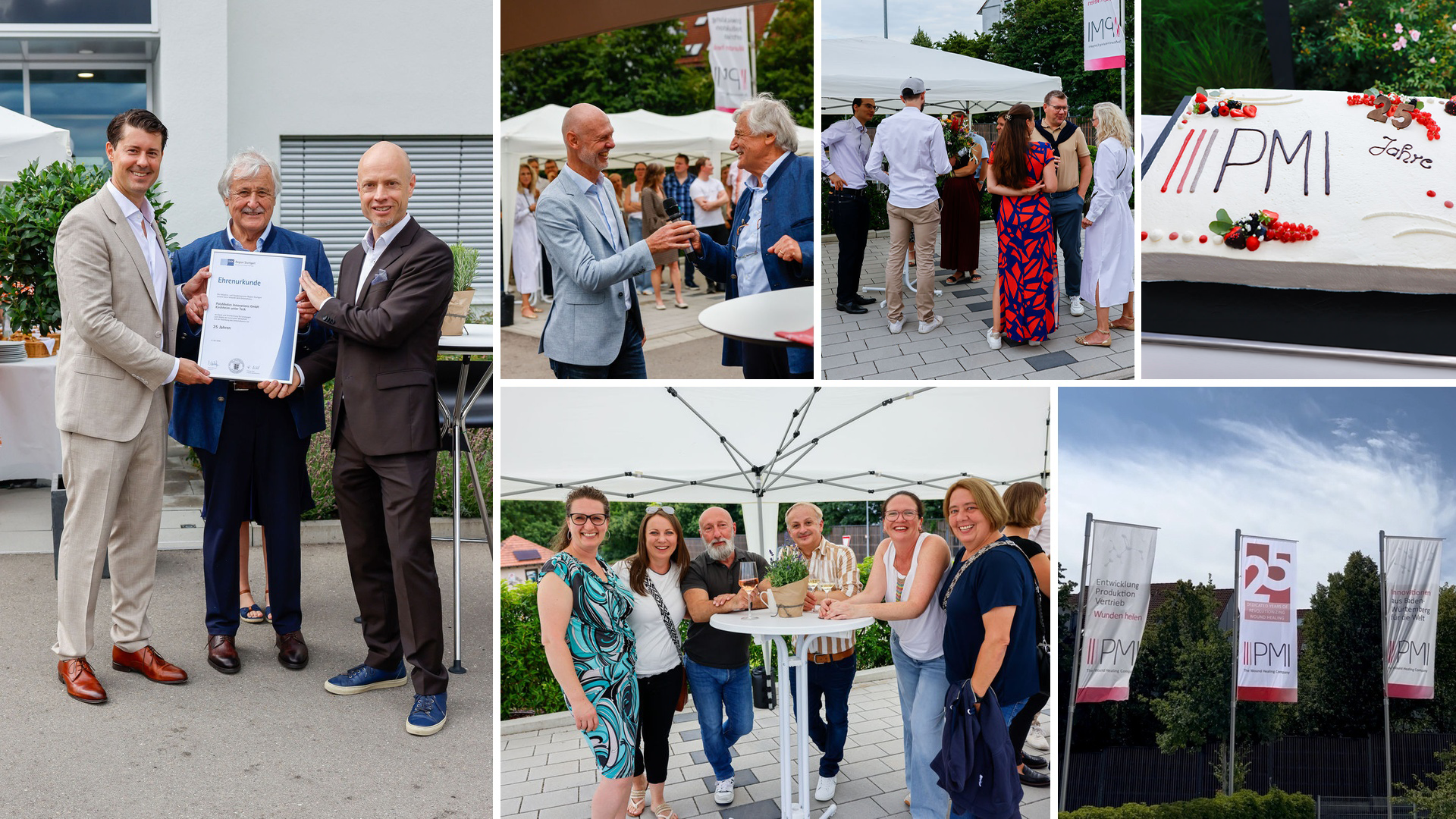
This anniversary was an opportunity to look back on our journey — from a small start-up founded in 2001 by Prof. Dr. Heinrich Planck, Martin Dauner, Prof. Dr. Michael Doser, Dr. Erhard Müller, and Dr. Helmut Hierlemann, to a company whose wound care solutions are now used in around 60 countries.
Looking back after 25 years, we remember not only the milestones, but also the patients behind them: children whose burns healed without repeated, painful dressing changes; people with chronic wounds who were able to preserve their mobility; and patients who were able to return home sooner than expected.
Our anniversary is also an opportunity to thank everyone who made this journey possible. Our employees, shareholders, clinical partners, distribution partners, customers, and supporters have all helped shape PMI over the past 25 years.
Bringing so many of these people together in one place was a powerful reminder of something that can easily get lost in day-to-day business: PMI has come this far because extraordinary people, inside and outside the company, believe that better wound healing is worth the effort.
Our commitment remains the same going forward. We will keep advancing wound care through innovation, exploring new possibilities, and working to improve the lives of patients around the world.
25 years of innovation. 25 years of commitment. And we’re just getting started.

In 2025, a total of 12 scientific publications reported on the clinical use of our products, highlighting the continued generation of new, independent clinical evidence. These peer-reviewed studies cover systematic reviews, comparative clinical studies, health-economic analyses, and case reports across burn care and complex wound indications.
To illustrate this approach, we are highlighting three publications in more detail below:
van de Warenburg et al., 2025 – Does the dressing matter in pediatric partial-thickness burns: a systematic review and meta-analysis (Burns)
This PRISMA-compliant systematic review and meta-analysis (68 studies, >8,000 pediatric patients) found that skin analogues were associated with shorter healing time & favorable outcomes regarding pain, scarring, and length of hospital stay compared with topical therapies. The study provides a high-level evidence-based overview of current treatment approaches in pediatric partial-thickness burns.
DOI: 10.1016/j.burns.2025.107428
Raine et al., 2025 – Polylactic Acid Membrane for the Treatment of Pediatric Burn Injuries: An Adoptable Practice to Improve Burn Management (Annals of Plastic Surgery)
In this single-center retrospective era comparison (n = 331), outcomes following implementation of a polylactic acid membrane were compared with a preceding standard-of-care era using conventional topical dressings and operative management as clinically indicated, showing fewer sedated dressing-change days, shorter operative procedure times, and reduced hospital length of stay, with comparable wound healing outcomes. These findings describe associations related to a practice change and suggest potential effects on clinical workflow and resource utilization in pediatric burn care.
DOI: 10.1097/SAP.0000000000004261
Khorasani et al., 2025 – Cost-utility analysis of a polylactic acid matrix versus a collagen dressing for the closure of diabetic foot ulcers (Frontiers in Public Health)
Based on data derived from a randomized clinical trial, a PLA dermal matrix was associated with faster wound closure, higher closure rates at 12 weeks, and lower overall treatment costs compared with collagen dressings in patients with diabetic foot ulcers. The analysis indicates a favorable cost-utility profile, including higher quality-adjusted life years (QALYs) within the evaluated indication.
DOI: 10.3389/fpubh.2025.1625252
The remaining publications published in 2025 include:
– Awolola et al., 2025 – Suprathel Burn Dressing Versus Standard Care: Impact on Hospitalization Duration and Post-Discharge Outpatient Visits
– Galati et al., 2025 – Correlation of O2C-Device with Cutometer and Scar Scales in the Evaluation of Burn Scars
– Heitzmann et al., 2025 – Long-term Skin Quality and Scar Formation after Enzymatic Debridement of Deep-Dermal Burn Wounds: A Comparative Study of Suprathel® and Jelonet®
– Koll et al., 2025 – Analysis of the (Lymph-)Angiogenic Potential of Regenerative Scaffolds and the Impact of Adipose-Derived Mesenchymal Stem Cells
– Lipkin et al., 2025 – Utilization of Suprathel® in Delayed Surgical Management of Toxic Epidermal Necrolysis (TEN): A Case Report
– Martínez-Jiménez et al., 2025 – Facial Burn Healing with a Polylactic Acid Dermal Matrix: A Case Report on Wound Modulation and Graft-Free Epithelialization
– Maxey et al., 2025 – Minimally Invasive Excision Combined with Epidermal Autografting and a Polylactic Acid Skin Substitute Improves Outcomes in Pediatric Partial-Thickness Burns
– Novoa-Moreno et al., 2025 – Polylactic Acid Membranes as an Adjunct Treatment for Bullous Impetigo: A Case Report
– Yilmaz et al., 2025 – Use of Suprathel for Deep Dermal Burns: Clinical Experience
The 21st Congress of the EBA will take place in Berlin from September 3–6, 2025. PMI will be present with its own booth, hosting an industry symposium and presenting five abstracts. Visitors, interested parties, colleagues, and partners can find PMI at booth #3.
Industry Symposium on Burn Treatment with Polylactide-Based Technology
PolyMedics Innovations will host its industry symposium on Thursday, September 4, from 12:45 to 1:30 pm. Three speakers will share their experiences with SUPRATHEL® and SUPRA SDRM®.
Mariëlle Vehmeijer Heeman, MD, PhD Plastic and Reconstructive Surgeon, Head of the Pediatric Burn Care Expertise Center Radboud University Medical Center, Nijmegen in den Niederlanden reports on “Ten Years of Suprathel® Use in Pediatric Burns: Healing Outcomes and Clinical Experience We present a 10-year single-center experience with the use of the polylactide dressing Suprathel® in pediatric patients with partial-thickness burns”.
Dr. Sonja Verena Schmidt, MHBA Plastic and Reconstructive Surgeon Department of Plastic Surgery and Severe Burn Injuries BG University Hospital Bergmannsheil, Bochum. Her presentation will be „Burn Wound Management in BIPOC Patients: Clinical Insights into Suprathel Use in Darker Skin Types“.
The third presentation “Deep in Skin: Supra SDRM® – A Polylactic Acid Copolymer Matrix for Complex Traumatic and Burn Wounds” will be given by Alfredo C. Cordova, MD, FACS Associate Professor of Surgery, Florida State University College of Medicine Acute Care and Trauma Surgeon, Sarasota Memorial Hospital, Sarasota, Florida, US.
There is no registration necessary to attend the symposium. We’re looking foward to seeing you there.
Abstracts at EBA Congress
At the EBA Congress, several physicians will present their abstracts related to polylactide-based technology. These can be found in the EBA program under Program | EBA 2025.
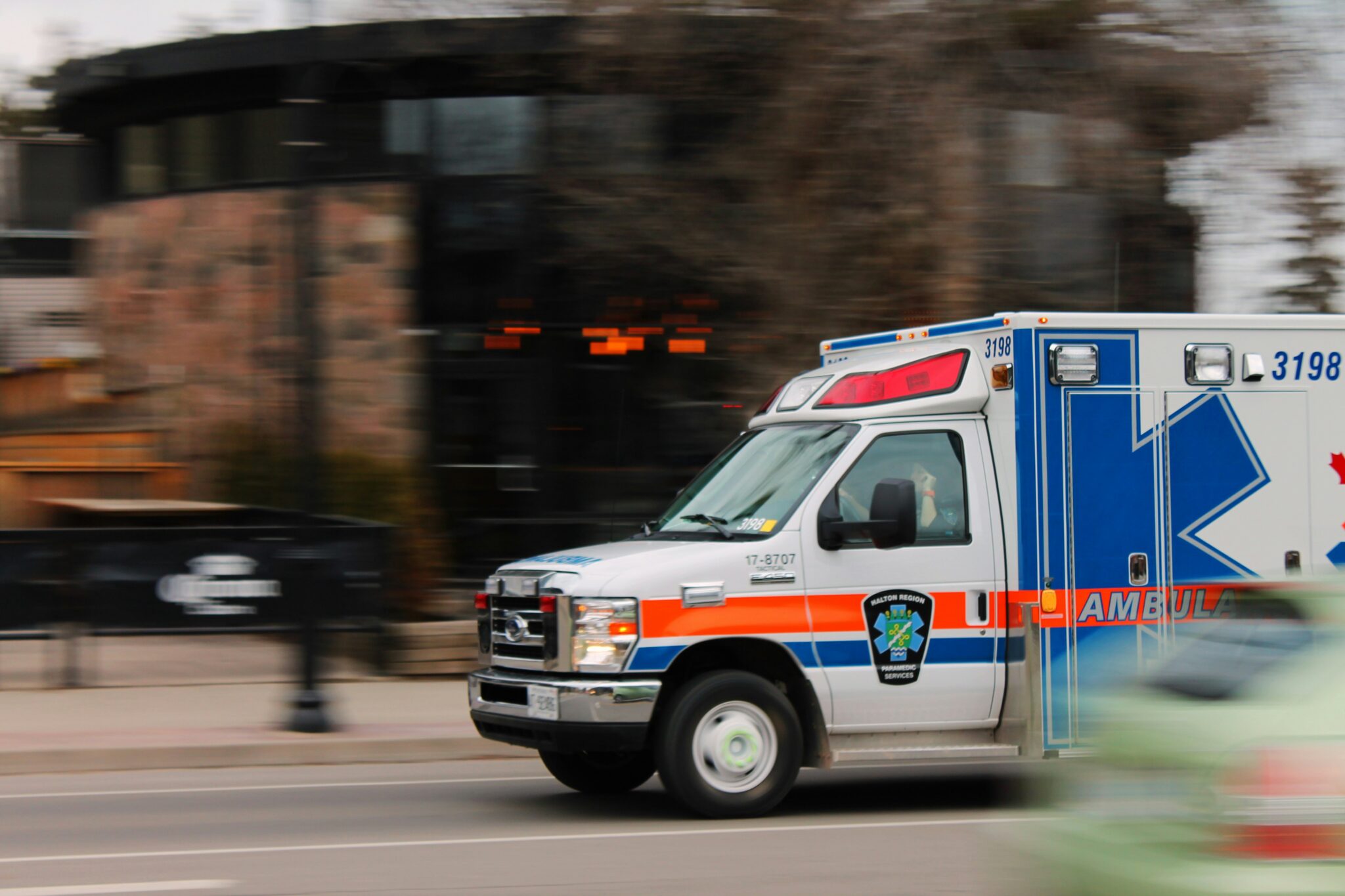
When seven-year-old Brenna Warner was rushed to Akron Children’s Hospital with a rapidly progressing case of Stevens-Johnson Syndrome (SJS), her condition was dire. Her mother, Shauna Warner, remembers the terrifying uncertainty vividly. “I thought I was losing my daughter,” she said. PMI’s SUPRATHEL® helped surgeons at Akron Children’s Hospital to take control of the situation.
A Rare Diagnosis: Stevens-Johnson Syndrome
Stevens-Johnson Syndrome is a low-incidence yet life-threatening condition that causes severe skin reactions and affects the mucous membranes. Often triggered by an adverse reaction to medications, patients experience what doctors describe as a sensation of their body “burning from the inside out.” In Brenna’s case, the reaction was believed to have been caused by a prescribed medication used to treat behavioural symptoms.
Specialized Care at Akron Children’s Hospital
After initial treatment in her home state of West Virginia, Brenna was transferred to Akron Children’s Hospital, where she was treated by burn surgeon Dr. Deepak Ozhathil. Given the severity of her condition, the care team relied on advanced therapies to support Brenna’s healing and comfort.
SUPRATHEL®: An Innovative Solution for Skin Regeneration
To support Brenna’s healing and provide a gentle but effective protective barrier, the medical team turned to SUPRATHEL®, our innovative synthetic skin substitute. SUPRATHEL® is designed to treat severe wounds, including burns and skin disorders like SJS, by mimicking the properties of human skin. It helps to stabilize the wound environment, reduce pain, and promote natural regeneration while minimizing infection risk. Reduced scarring is another benefit, as is the fact little patients like Brenna are not tied to the bed, but can move around and cuddle with their parents.
SUPRATHEL® is a purely synthetic product. It has been on the market for more than 20 years and has helped countless patients in recovering.
From Crisis to Recovery
Thanks to comprehensive care and advanced wound treatment, including the application of SUPRATHEL®, Brenna has made a remarkable recovery. After two weeks of hospitalization and intensive treatment, she was expected to return home and resume her energetic, joyful life. “She’s spicy, full of laughter—and she’s coming back to us,” said her mother, grateful for the care team and medical technology that helped make Brenna’s healing possible.
The scars from Brenna’s experience remain, but so does the story of strength, advocacy, and medical innovation. “Don’t give up,” Shauna said. “You go above and beyond and to the mountaintops for that baby.”
Grupo Vuelo/ Polymedics Innovations (PMI) presents SUPRATHEL® at Mexican Burn Conference
“The complexity of burn management requires a multidisciplinary approach”, says Dr. Marco Aurelio Lizárraga Celaya, President of the Asociación Mexicana de Quemaduras 2024-26. “Together, we will explore the latest techniques and strategies to optimize our patients’ outcomes and improve their quality of life.”
Polymedics Innovations (PMI), represented by our valued local distributor Grupo Vuelo, will be a participant of the International Conference of the Mexican Burn Association that takes place from April 30 to May 3 in Nuevo Vallarta, Nayarit. Along with Beatriz Vega, Head of LATAM Commercial Operations at PMI, Grupo Vuelo will provide PMI’s proprietary solution: successful and well-proven SUPRATHEL, based on PMI’s polylactide technology.
Since its launch more than 20 years ago, SUPRATHEL ® has significantly influenced the switch to synthetic products and is now used in more than 40 countries worldwide as a standard treatment for second-degree burn wounds and split thickness skin graft (STSG) donor sites.
Grupo Vuelo session on polylactic acids
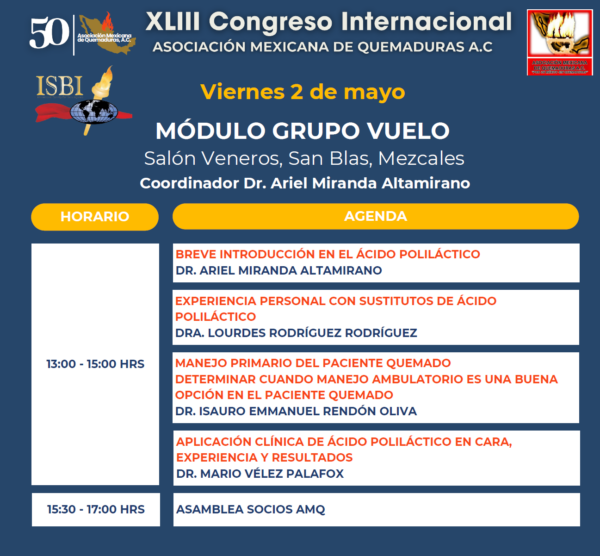
On May 2, Grupo Vuelo and Beatriz Vega from PMI will host a session dealing with polylactic acids in treating burns. Dr. Ariel Miranda Altamirano from the Guadalajara University Hospital will coordinate the session taking place from 13:00 to 15.00 hours in Salón Veneros, San Blas, Mezcales.
Speakers will be:
Dra. Lourdes Rodríguez Rodríguez, talking on “Personal experiences on polylactic substitutes/Experiencia personal con sustitutos de acido pololáctico”.
Dr. Isauro Emmanuel Rendón Oliva on “Primary management of the burn patient: determining when outpatient care is a good option for burn patients / Manejo primario del paceinte Quemado determiner cuando manejo ambulatorio es una beuna opcion en el paciente Quemado”
Dr. Mario Vélez Palafox, who will talk about “Clinical application of polylactic acid on the face: experience and results/ Aplicación clínica de acido poliláctico en cara, experiencia y resultados.”
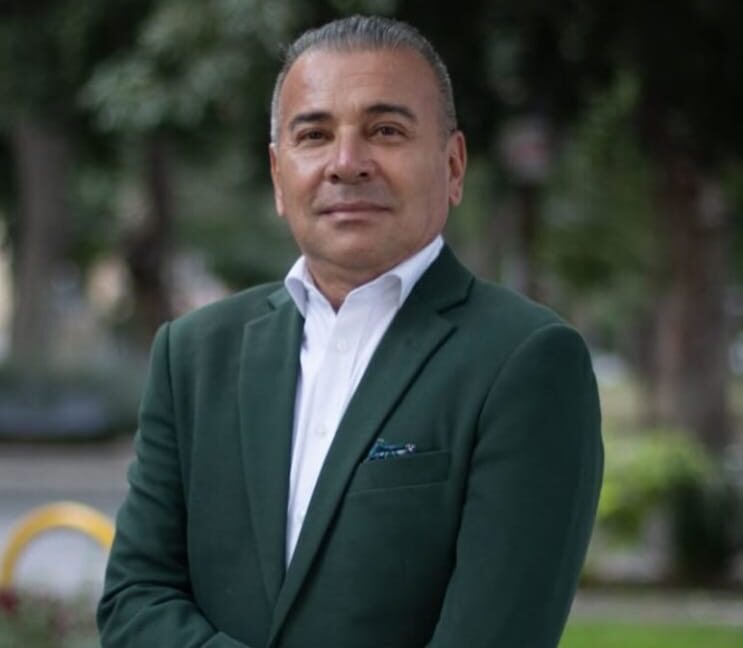
Dr. Ariel Miranda Altamirano from the Guadalajara University Hospital will coordinate the session taking place from 13:00 to 15.00 hours in Salón Veneros, San Blas, Mezcales.
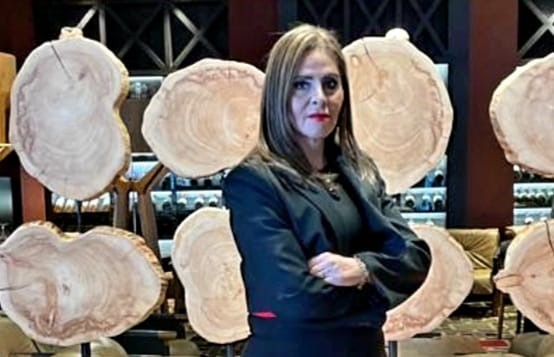
Dra. Lourdes Rodríguez Rodríguez will talk on “Personal experiences on polylactic substitutes/Experiencia personal con sustitutos de acido pololáctico”.
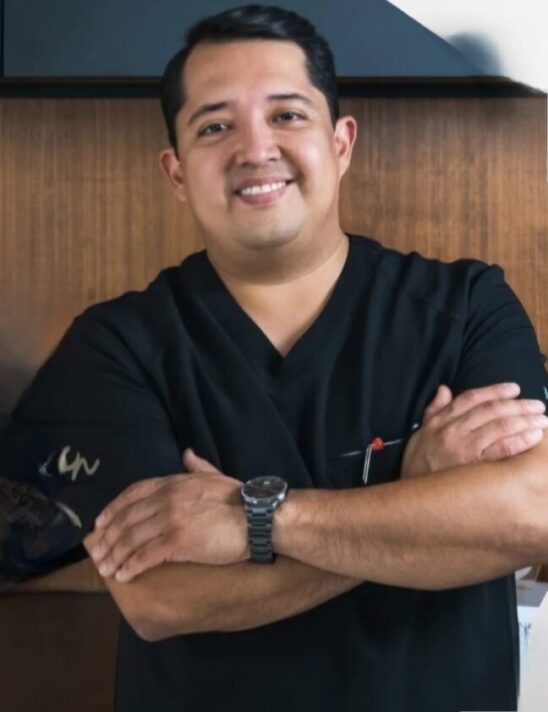
Dr. Isauro Emmanuel Rendón Oliva gives a presentation on “Primary management of the burn patient: determining when outpatient care is a good option for burn patients / Manejo primario del paceinte Quemado determiner cuando manejo ambulatorio es una beuna opcion en el paciente Quemado”
Dr. Mario Vélez Palafox will talk about “Clinical application of polylactic acid on the face: experience and results/ Aplicación clínica de acido poliláctico en cara, experiencia y resultados.”
Case Reports: “SUPRATHEL® as an ideal primary dressing for partial to deep thickness second-degree burns.”
On May 3, there will be presentations of five case reports on the use of SUPRATHEL®. once again points the many benefits of the synthetic, biodegradable temporary skin substitute. The once again point out the benefits of SUPRATHEL ®, such as
In one of the cases, Angela Fernanda Delgado Langarica of General Surgery at the General Hospital of Zone 1 IMSS Villa de Álvarez reports on a 10-year-old schoolgirl with second-degree burns covering 18% of her body who was treated with SUPRATHEL after surgical debridement. The biosynthetic dressing minimized pain, required no replacements, and allowed easy wound monitoring, leading to fast and comfortable healing. Within 10 days, 95% re-epithelialization was achieved without infection. SUPRATHEL helped reduce scarring risks and provided significant physical and emotional relief, making it an ideal solution for peadiatric burn care.
Further cases presented:
Poster sessions illustrating the benefits of SUPRATHEL
From April 30 to May 3, there will also several poster sessions on experiences with SUPRATHEL®:
Utilización de membrana sintética microporosa reabsorbible (Suprathel®) como alternativa útil para la reducción del tiempo de recuperación y reducción de complicaciones en áreas donadoras en pacientes gran quemados
Authors / Autores: Alfredo Jhossimar Ochoa Rodríguez, Mario Vélez Palafox, et al.
Affiliation / Afiliación: Centro Nacional de Investigación y Atención al Paciente Quemado (CENIAQ), Instituto Nacional de Rehabilitación “Luis Guillermo Ibarra Ibarra”, Ciudad de México, México
Summary: This prospective study compares Suprathel® to conventional dressings in burn patients requiring skin grafts. Suprathel® showed significantly shorter epithelialization time, less pain, and fewer infections over 21 days.
Innovación en el tratamiento de quemaduras faciales: Máscara de sustituto epidérmico aloplástico para una recuperación sin secuelas
Authors / Autores: Jesús Rigoberto Covarrubias Rodríguez, Mario Vélez Palafox, et al.
Affiliation / Afiliación: Centro Nacional de Investigación y Atención al Paciente Quemado (CENIAQ), Instituto Nacional de Rehabilitación “Luis Guillermo Ibarra Ibarra”, Ciudad de México, México
Summary: This study was a retrospective observational analysis of 32 patients with facial burns who were treated with Suprathel®. The outcomes assessed included the degree and time of epithelialization, the need for surgical intervention, and patients’ self-perception.
Manejo reconstructivo exitoso de complicaciones secundarias a quemadura por álcali en paciente gran quemado con matriz sintética de regeneración dérmica a base de ácido poliláctico
Authors / Autores: Rubén Martínez López, Mario Vélez Palafox, et al.
Affiliation / Afiliación: Centro Nacional de Investigación y Atención al Paciente Quemado (CENIAQ), Instituto Nacional de Rehabilitación “Luis Guillermo Ibarra Ibarra”, Ciudad de México, México
Summar: A severe alkali burn case requiring limb amputations was treated with PLA-based dermal matrix (SDRM). After three applications and negative pressure therapy, exposed structures were covered effectively, enabling skin grafting without complex reconstructions.
Uso de Suprathel y su ventaja en el manejo del dolor en quemaduras. Reporte de caso
Authors / Autores: Hugo Enrique Beyuma-Mora, Myrna Lizeth Cuevas-Meléndez, et al.
Affiliation / Afiliación: Servicio de Cirugía Plástica y Reconstructiva, UMAE de Traumatología y Ortopedia No. 21, Monterrey, Nuevo León, México
Summary: In this comparative case report, Suprathel® demonstrated superior pain relief and adhesion compared to hydrocolloids. Patients required fewer dressing changes and reported significantly lower pain (VAS 1–3 vs 8–9).
Get in touch with us!
No matter what topics are most interesting to you: The Grupo Vuelo and PMI team are looking forward to meeting you at the International Congress of the Asociación Mexicana de Quemaduras A.C.
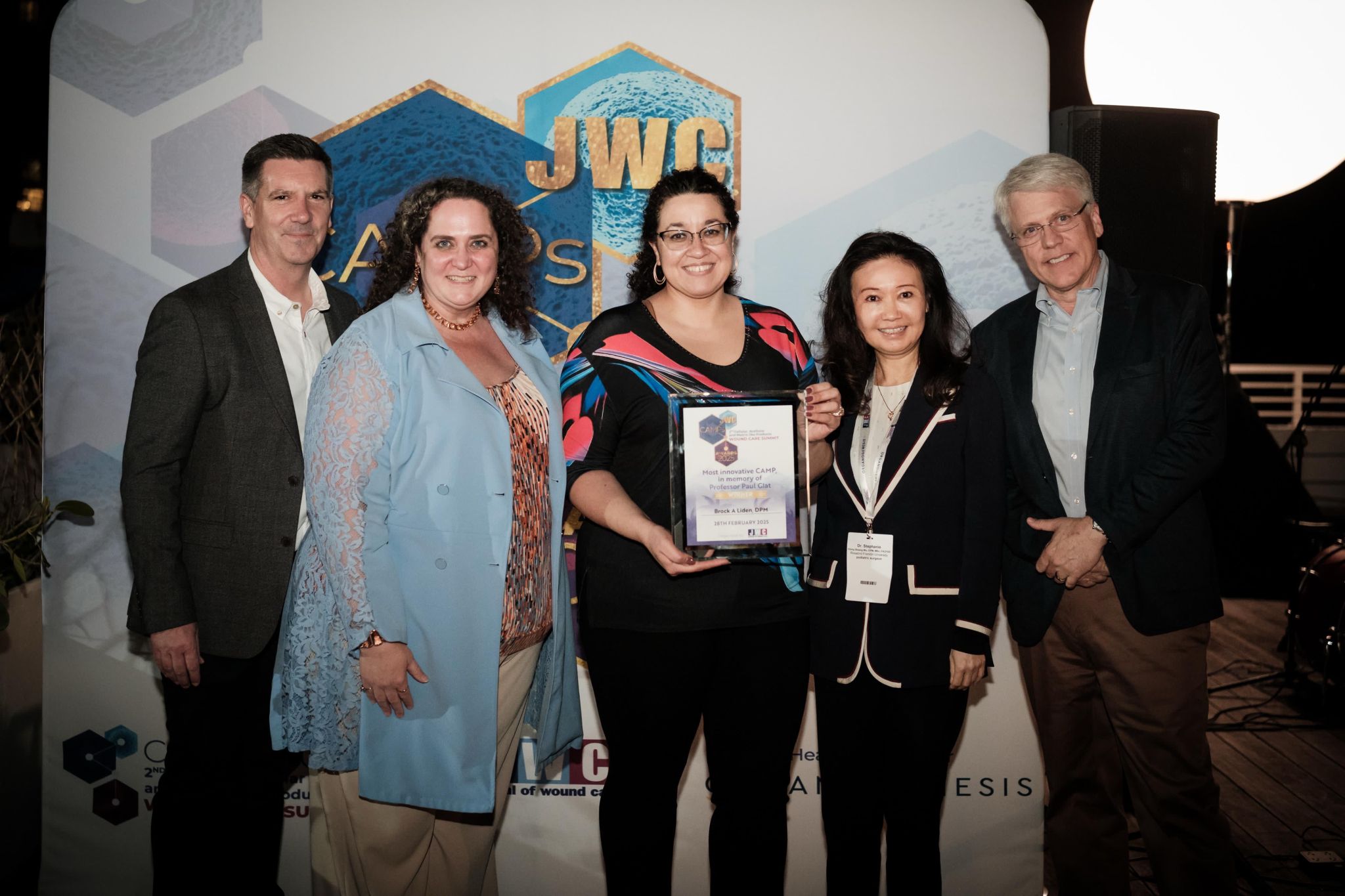
PolyMedics Innovations (PMI) was awarded the “Most Innovative CAMP” award at the 2025 Cellular, Acellular, and Matrix-like Products (CAMPs) Wound Care Summit. The conference, hosted by the Journal of Wound Care, took place from February 28 to March 2, 2025 at the Westin Fort Lauderdale Beach Resort, Florida.
This prestigious award recognizes PMI’s game-changing retrospective multi-center study, which highlights the efficacy of polylactic acid (PLA) in the treatment of diabetic foot ulcers (DFUs) and venous leg ulcers (VLUs). It was conducted by Brock A. Liden, DPM and José L. Ramirez-Garcialuna, MD, MSc, PhD, among others. The study demonstrated that PLA-based CAMPs significantly reduced healing time and increased closure rates compared to traditional collagen dressings and fish skin grafts (FSGs).
Key findings from the study:
✔ 50% faster healing for DFUs compared to collagen dressings and 20% faster than fish skin grafts (P < .001).
✔ 95% faster healing for VLUs compared to collagen dressings and 40% faster than fish skin grafts (P < .001).
✔ 55% higher rate of full wound closure at 12 weeks compared to collagen dressings and 26% higher than fish skin grafts (P < .001).
Christian Planck, CEO of PMI, comments: “These findings reinforce PLA’s potential as a ground-breaking innovation in wound care, offering faster healing, improved patient outcomes, and a promising alternative to biologic-based therapies. In brief: The results of this study confirm and validate our work and research in products such as SUPRA SDRM® and SUPRATHEL®.”
From March 26 to 28, PolyMedics Innovations will participate in the Conference of the European Wound Management Association (EWMA. The conference will focus on the theme: “Moving towards excellence in wound management by breaking frontiers and silos.”
Great potential for PLAs
PMI and their clinical partners will present about a dozen case studies on the successful application of Polylactid Acids (PLAs) in treating various types of (chronic) wounds and deep dermal burns.
Diabetic foot and chronic ulcers
Several studies will be looking into diabetic foot ulcers as well as chronic ulcers. In the study “Effectiveness of Polylactic Acid (PLA) Matrix for Diabetic Foot Ulcer (DFU) Closure” by Jose Ramirez-Garcialuna and Brock Liden, it evaluates the efficacy of PLA matrices compared to collagen dressings for DFU healing. Their study illustrates that PLA matrices show potential as an effective treatment for DFUs with better outcomes compared to standard collagen dressings.
Deep facial burns
PLAs are also effective for deep facial burns, as the study “USE OF POLYLACTIC ACID DERMAL MATRICES APPLICATION IN THIRD DEGREE FACIAL BURN” lays out. They support wound healing due to their adherence and degradation properties, allowing re-epithelialization without additional dressings. The same is true for treating paediatric burns, as the study “PROCESS DESCRIPTION OF THE APPLICATION OF POLYLACTIC ACID (PLA) MEMBRANES IN CHILDREN WITH FACIAL BURNS” describes.
Another split-plot study of a patient with a full-thickness burn, compares PLA and cadaveric grafts (ABSTRACT ID EP0776). The study concludes that PLA dressings support structured healing with reduced inflammation compared to cadaveric grafts, making them an effective alternative for severe
Key Benefits of PLAs
Overall, studies suggest that lactate supports the healing process by promoting angiogenesis and stimulating the reconstruction of the (epi-)dermis by:
Lactic acid with an acidity constant (pkA) of 3.83 is able to lower the pH value. It is known that lowering the pH value accelerates wound healing by triggering the following effects:
Meet PMI at EWMA in Barcelona Booth #63
PMI looks forward to welcoming visitors to their booth and to exchanging experiences and getting feedback from medical personnel. Like the bilingual conference itself, the PMI team will be at least English- and Spanish-speaking.
Please also take the chance to see poster presentations and abstracts that PMI presents at EWMA.
TAKING A STRIDE TO IMPROVE WOUNDS THROUGH A NOVEL CARE PATHWAY
Date: Wednesday, 26 March, 12:42 – 12:45 CET, E poster screen 4
Author: Jose Ramirez-Garcialuna, Brock Liden
Aim: Presents an integrated surgical approach to managing DFUs.
Method: Incorporates infection management, wound bed optimization, and biomechanical correction in a structured pathway.
Key Points: High wound closure rate (90% within 20 weeks). Significant reduction in recurrence (<5%) and amputation rates (50% decrease).
Conclusion: STRIDE enhances healing and limb preservation through comprehensive care.
EFFECTIVENESS OF POLYLACTIC ACID (PLA) MATRIX FOR DIABETIC FOOT ULCER (DFU) CLOSURE
Date: Wednesday, 26 March, 17:15 – 17:23 CET, Room 133 and 134
Author: Jose Ramirez-Garcialuna, Brock Liden
Aim: Evaluate the efficacy of PLA matrices compared to collagen dressings for DFU healing.
Method: Interim analysis of a randomized clinical trial with 50 patients, divided into PLA-treated and collagen-treated groups. Primary outcomes included time to wound closure and healing rate over 12 weeks. Secondary measures assessed multispectral imaging, histology, and biomarkers.
Key Points: PLA-treated wounds closed faster (median 9 weeks vs. 17 weeks for collagen). Higher healing rate in PLA group (84% vs. 32% at 12 weeks).
Enhanced oxygenation, angiogenesis, and immune modulation were observed in PLA-treated wounds.
Conclusion: PLA matrices show potential as an effective treatment for DFUs with better outcomes compared to standard collagen dressings.
EFFICACY OF SYNTHETIC POLYLACTIC ACID MATRIX FOR THE CLOSURE OF COMPLEX WOUNDS WITH EXPOSURE OF FASCIA, PERITENDON, OSTEOSYNTHESIS MATERIAL AND PERIOSTEUM.
Date: Thursday, 27 March, 12:00 – 12:08 CET, Room 118 and 119
Author: Mario Aurelio Martínez-Jiménez, Jose Ramirez-Garcialuna, Ana Lorena Novoa-Moreno, Natalia Sanchez-Olivo, Víctor Manuel Loza González
Aim Assess the effectiveness of PLA matrices for complex wounds involving exposed fascia, peritendon, osteosynthesis material, and periosteum.
Method Study of 19 patients (ages 18–92) with complex wounds lasting over a month.
Conditions included diabetic foot, post-surgical dehiscence, trauma, pressure ulcers, and failed graft integration.
Key Points: Mean wound closure time was 9.36 weeks (range: 2–12 weeks). Re-epithelialization was achieved in 17 patients; 2 patients required additio-
nal graft preparation.
Conclusion: PLA matrices effectively facilitate wound closure with practical use, showing good adhesiveness and controlled degradation.
PLA USE IN PYODERMA GANGRENOSUM WITH INCREASED TEMPERATURE AND OXYGENATION
Date: Thursday, 27 March, 13:12 – 13:15 CET, E poster screen 3
Author: Mario Aurelio Martínez-Jiménez, Jose Ramirez-Garcialuna, Brock A. Liden, Ana Lorena Novoa-Moreno, Víctor Manuel Loza González,
Samuel Kolosovas-Machuca
Method: Case of a 48-year-old female with a full-thickness ulcer treated with weekly PLA dressings for 6 weeks, monitored using thermography and
near-infrared spectroscopy.
Key Points: Significant wound closure by week 12, with temperature differences normalizing between the wound and healthy skin. Improved oxygenation levels were observed, aligning with wound healing.
Conclusion: PLA dressings are effective in managing pyoderma gangrenosum, promoting granulation, re-epithelialization, and overall healing.
USED POLYLACTIC ACID DERMAL MATRICES APPLICATION IN THIRD DEGREE FACIAL BURN
Date: Thursday, 27 March, 13:21 – 13:24 CET, E poster screen 2
Author: Mario Aurelio Martínez-Jiménez, Jose Ramirez-Garcialuna, Víctor Manuel Loza González
Method: Case of a 43-year-old man with deep facial burns treated using PLA after debridement, without any gauze or additional bandages, during a
6-week hospital stay.
Key Points: PLA application showed good adherence, facilitated re-epithelialization, and required minimal manipulation. The patient had good cosmetic and functional outcomes with no long-term sequelae.
Conclusion: PLA dermal matrices are effective for deep facial burns, supporting wound healing due to their adherence and degradation properties,
allowing re-epithelialization without additional dressings.
ANTIMICROBIAL EFFECT OF PLA WOUND CLOSURE MATRICES
Date Friday, 28 March, 12:51 – 12:54 CET, E Poster Screen 3
Author: Jose Ramirez-Garcialuna, Brock Liden
Aim: Investigate antimicrobial properties of PLA matrices for chronic wound treatment.
Method: In-vitro analysis on human skin infected with MRSA and Pseudomonas, and a clinical trial on 20 patients with diabetic foot ulcers treated with
PLA or collagen. Bacterial load and cytokine analysis were performed.
Key Points: PLA significantly reduced Pseudomonas counts. Elevated angiogenic factors and tissue repair markers in PLA-treated areas. Clinical trials
showed decreased bacterial load at week 4 in PLA-treated wounds.
Conclusion: PLA matrices reduce bacterial bioload and promote tissue repair, making them a viable option for infected wounds.
POLYLACTIC ACID DERMAL SUBSTITUTE IN CHRONIC ULCERS
Date: Friday, 28 March, 13:00 – 13:03 CET, E poster screen 2
Author: Stefania Chiarenza
Aim: Investigate the efficacy of a polylactide/trimethylene carbonate/caprolactone copolymer in porous foam as a dermal substitute for chronic ulcers.
Method: Study of 115 patients (ages 57–87) with chronic lower limb ulcers of varying etiologies (e.g., traumatic, vascular, pressure, autoimmune).
PLA was applied post-surgical debridement without fixation devices, followed by twice-weekly check-ups for 6-8 weeks.
Key Points: In 60.9% of cases, the dermal substitute remained stable for 2-4 weeks; early degradation or perilesional maceration was noted in larger
wounds. Improvement in the lesion base and re-epithelialization observed in 80% of wounds smaller than 100 cm². Significant pain reduction was reported, aiding in the suspension of pain therapy.
Conclusion: The PLA-based dermal substitute effectively promotes healing in chronic ulcers, with good handling, conformability, and long-term benefits.
IMPACT OF DIGITAL INFRARED THERMOGRAPHIC IMAGING FOR LIMB SALVAGE IN PATIENTS AT RISK OF LIMB AMPUTATION [PRESENTATION ID OP116]
Date Friday, 28 March, 14:45 – 14:53 CET, Room 133 and 134
Author: Víctor Manuel Loza González, Mario Aurelio Martínez-Jimenez, Natalia Sanchez-Olivo, Jose Luis Ramirez-Garcialuna, Eleazar Samuel
Kolosovas-Machuca
Method: Patients with MESS <7 or Wifi ≤4, recommended for amputation, underwent thermographic imaging on days 1, 5, and at 12 weeks if
salvaged. Temperature differences (ΔT) between injured and uninjured regions were analyzed.
Aim: To assess digital infrared thermography as an objective tool for evaluating limb viability and guiding salvage decisions.
Result Of 29 patients, 27 limbs were saved. Two groups emerged: ischemic (ΔT improved from -3.6°C to 0.12°C) and inflammatory (ΔT improved from
3.36°C to 0.36°C). The two amputated cases had worsening ΔT (<-5°C).
Conclusion: Thermography helps assess perfusion changes, supporting limb salvage decisions.
POLYLACTIC ACID MATRICES AS AN INNOVATIVE SOLUTION FOR COMPLEX PEDIATRIC HAND WOUNDS
[Spanish] (Matrices de Ácido Poliláctico como Solución Innovadora para Heridas Complejas de Mano en Pediatría:
Cicatrización Rápida y Control de Infecciones)
Date: Wednesday, 26 March, available from 09:00 CET (e poster on display)
Author: Dr. Waldo Jimenez Valenzuela (Santo Domingo, Dominican Republic)
Method: Case reports on PLA application in pediatric patients with complex hand wounds.
Key Points: Minimal scarring and successful healing in 3 to 10 weeks. Reduced infection risks and hospital stays.
Conclusion: PLA is effective for pediatric wound management, aiding quick recovery.
PLA MEMBRANE FOR TREATING IMPETIGO [Spanish] (TRATAMIENTO DE IMPÉTIGO CON MEMBRANA DE ÁCIDO
POLILÁCTICO. PRUEBA DE CONCEPTO)
Date: Wednesday, 26 March, available from 11:15 CET, (e poster on display)
Author: Mario Aurelio Martínez-Jimenez, Ana Lorena Novoa-Moreno, Natalia Sanchez-Olivo, Víctor Manuel Loza González, Arturo Ortiz-Alvarez, Jose
Ramirez-Garcialuna
Method: Case study of three adults with impetigo treated with PLA membranes for 21 days.
Key Points: Complete lesion healing within 7 days, with minimal post-inflammatory hyperpigmentation and no significant complications.
Thermography confirmed reduced temperature and inflammation.
Conclusion: PLA membranes are an effective and safe alternative for impetigo treatment.
USE OF POLYLACTIC ACID (PLA) DRESSINGS COMPARED TO CADAVERIC SKIN GRAFTS IN THE TREATMENT OF FULL-THICKNESS BURNS. HISTOLOGICAL ANALYSIS.
Date: Wednesday, 26 March, available from 11:15 CET (e poster on display)#
Author: MD Ana Lorena Novoa-Moreno, Jose Ramirez-Garcialuna, Mario Aurelio Martínez-Jiménez, Olga Johnson-Ponce, Víctor Manuel Loza González
Method Split-plot study of a patient with a full-thickness burn, comparing PLA and cadaveric grafts.
Key Points :PLA-treated areas showed better-organized keratinocyte progression, reduced inflammation, and improved fibroblast presence.
Cadaveric grafts exhibited disorganized healing with more blood vessels but thicker layers.
SINGLE-APPLICATION PLA IN DIABETIC FOOT ULCERS (La Aplicación Única de Matrices de Ácido Poliláctico Promueve el Cierre
Sostenido de Úlceras de Pie Diabético: Serie de Casos)
Date: Wednesday, 26 March, available from 11:15 CET (e poster on display)
Author: Virginia Polanco
Method: Case series with six patients receiving a one-time PLA application after wound debridement.
Key Points: Effective wound closure achieved in 6 to 15 weeks. Bioactive residue supported granulation and epithelium formation.
Conculusion: PLA matrices facilitate progressive healing and are suitable for outpatient treatment.
PROCESS DESCRIPTION OF THE APPLICATION OF POLYLACTIC ACID (PLA) MEMBRANES IN CHILDREN WITH FACIAL BURNS
Wednesday, 26 March, available from 11:15 CET (e poster on display)
Author: Ana Lorena Novoa-Moreno, Jose Ramirez-Garcialuna, Mario Aurelio, Martínez-Jiménez, Víctor Manuel Loza González, Natalia Sanchez-Olivo
Method: Descriptive study on pediatric patients with facial burns, treated with PLA membranes without additional bandages for outpatient care.
Key Points: Demonstrated reduced manipulation, effective healing, decreased infection risk, and improved pain management. The membrane‘s translucency allowed real-time monitoring of healing.
Conclusion: PLA membranes provide a beneficial and comfortable treatment for pediatric facial burns, ensuring effective wound management.
CLOSURE OF DIABETIC FOOT ULCER WITH POLYLACTIC ACID MEMBRANE GUIDED BY THERMOGRAPHIC IMAGING
Date: Wednesday, 26 March, available from 11:15 CET (e poster on display)
Author: Víctor Manuel Loza González
Method: Case of a 67-year-old woman with a diabetic foot ulcer monitored using thermography during PLA membrane treatment.
Key points: Thermography showed reduced temperature differences and inflammation, signaling progressive healing.
Conclusion: Thermography is an effective tool for monitoring the healing process in PLA-treated diabetic foot ulcers.
Our goal at Polymedics Innovations (PMI) is to achieve CO2-neutral production by 2030. This is in line with Germany’s objective of finding an equilibrium between its greenhouse gas emissions and their elimination.
Because that’s a big task – for us as a company and for Germany as a country – PMI is excited to receive the support provided by the KLIMAfit initiative. The aim of this programme, funded by the Baden-Württemberg Ministry of the Environment, is to introduce commercial enterprises to corporate climate protection and to support them in reducing their CO2 emissions. Work is carried out on a regional basis; one of these regional groups is KLIMAfit Esslingen, in which PMI is participating together with five other companies.
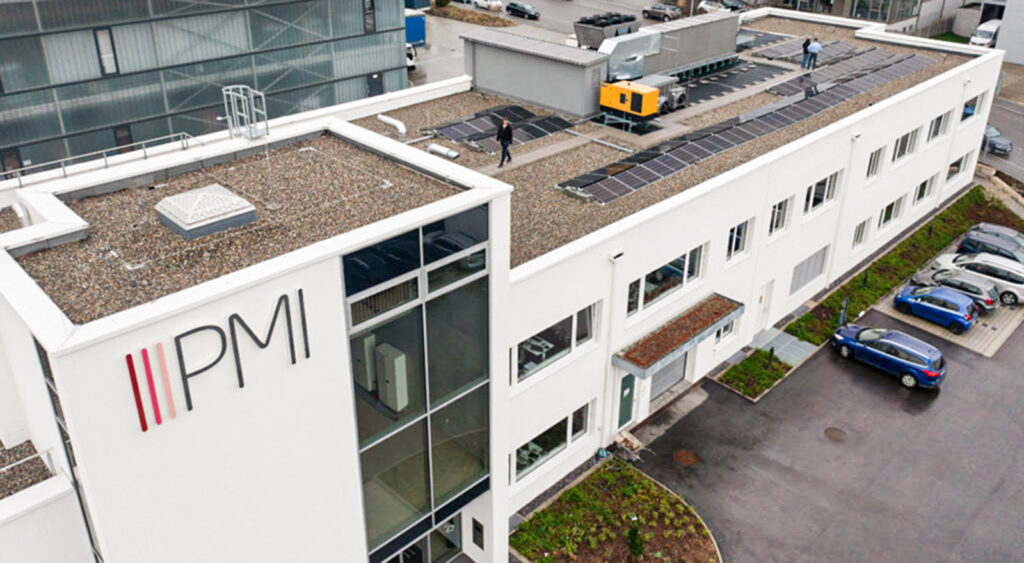
Our building features a photovoltaic system and geothermal heating, reducing energy consumption by 45% compared to conventional buildings. Enhanced insulation, optimized windows, and temperature-controlled shading contribute to this efficiency. The cleanroom is designed with energy-saving technologies, including waste heat recovery from production facilities.
In our first meeting early in 2024, we dealt with greenhouse gas balancing. This gave everyone a clear understanding of what we are talking about. Electricity, heat, and renewable energies were the focus in the second session. Our final group meeting focused on compensation measures. Mobility and Scope 3 emissions – pollutants not caused by the production company, but by their suppliers, customers, and other external stakeholders – have caused us to step back and look at our business from a global perspective. Mobility is part of our corporate culture. “We have an independent sales company in the USA and numerous employees,” explains our CEO Christian Planck. “We also sell our products in around 40 countries around the globe. Air travel is part of everyday working life.”
Despite this, we can still find ways to reduce our carbon footprint. For example, as many appointments as possible are being combined in order to reduce the number of air trips. Longer stays make more sense than several individual arrivals. Even seat spacing has an impact on the traveller’s carbon footprint. In other words, economy class beats business class.
“The heterogeneous project group of KLIMAfit shows each participant ‘best practice’ examples that we would not otherwise have available,” says PMI CEO Christian Planck, underlining one advantage of the KLIMAfit initiative.
He also points out the steps that PMI has already taken, referring to efficient use of energy required for electricity and heat: “In our company building, which was inaugurated in 2023, we have implemented measures for sustainable energy generation and energy efficiency.” For example, the PMI building in Kirchheim’s Hegelesberg has a photovoltaic system and is heated by geothermal energy. “The energy consumption required for our entire building is 45% lower than that of a conventional building,” explains Christian Planck. The higher thermal insulation, optimised windows, and temperature-controlled shading contribute to this. The cleanroom was also planned and implemented according to the latest energy findings – even the waste heat from the production facilities is recovered and reused.
20 years is a considerable period of time. If we take the human perspective, it’s the number of years that elapse from childhood to adulthood An incredibly long time from a child’s point of view, which seems to pass much faster later when we become parents ourselves. It’s all about perspective…

Dr. Carsten Krohn, Schwabing Clinic, Munich
We actually wanted to talk about SUPRATHEL®, our artificial skin substitute. For a medical product, 20 years is a lifetime: the world can change dramatically in two decades.
We – or more precisely SUPRATHEL® – can provide a good example: Carsten Krohn, head physician at the Center for Severely Burned Children at the Munich Schwabing Clinic, explains how burns were treated some 20 years ago: “At the beginning of my career, burns and scalds were still treated openly, meaning that the patients lay with their open wounds in a very warm, humid room. Because burns and especially dressing changes are extremely painful, patients were sedated. They also had to be isolated to prevent wound infections. It was a traumatic experience for the children, just as it was for their parents!”
Luckily, SUPRATHEL® changed this regimen. Dr. Herbert Haller, for many years a senior physician at the Unfallkrankenhaus Accident Clinic in Linz, Austria, and director of its Burns Center, remembers how quickly this happened: “SUPRATHEL® made up to three dressing changes obsolete overnight.” He particularly points out the pain relief and the fact the artificial skin substitute can stay on the wound: “That was particularly beneficial in the treatment of children, who previously had to be sedated with opiates before changing a dressing.”

Dr. Herbert Haller, Accident Clinic, Linz
A revolution doesn’t need much time. SUPRATHEL®, however, also shows us something else: that a revolution can be long-lived, even in the field of medical technology.
Dr. Lars Kamolz, University Professor at the University of Graz, was one of the early users of SUPRATHEL®. For nearly 20 years, the Graz University Hospital has relied on SUPRTHEL® for treating 2a and 2b-degree burns. When asked what convinces him most about SUPRATHEL®, Dr. Kamolz answers: “I find the view over a period of time impressive. If a product is still in use after 20 years that is the greatest accolade. New materials come onto the market; competitors mount an attack. If a product succeeds in staying in the market as a standard, it is simply good.”
Dr. Matthias Rapp from the Center for Severe Burn Injuries at the Marienhospital in Stuttgart chooses a more numbers-based approach: “By using SUPRATHEL® we have been able to reduce by about two thirds the number of operations for second-degree burns.”
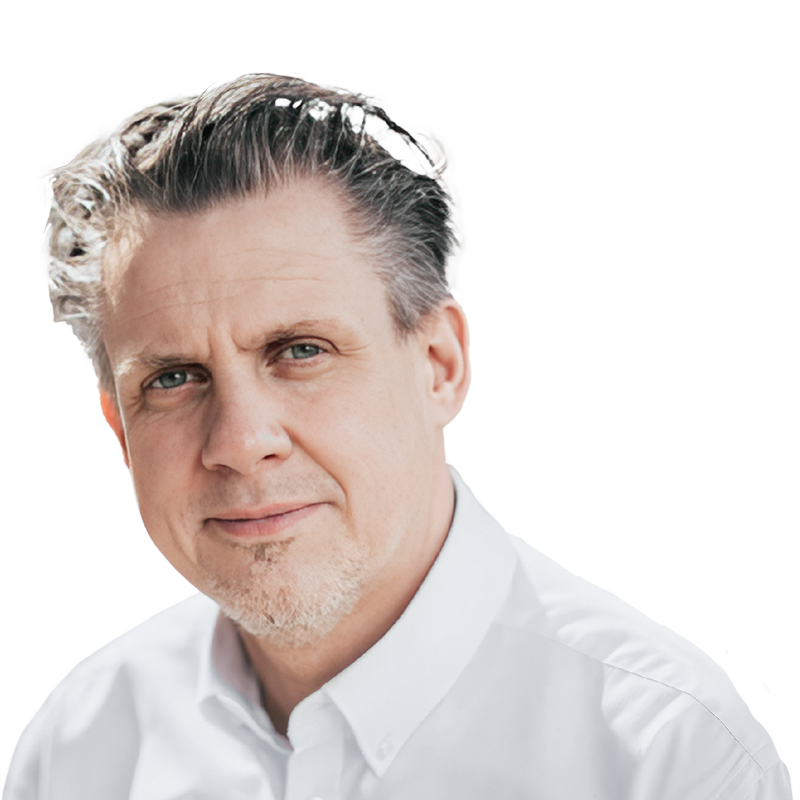
Dr. Lars Kamolz, University, Graz
Despite the continued success for SUPRATHEL®, we are not resting on our laurels. SUPRA SDRM®, for example, is a product that utilizes and expands upon the knowledge and experience gained in the development of SUPRATHEL®. SUPRA SDRM® has been found effective in treating difficult-to-heal wounds faster than current standard of care and has already brought back quality of life to many people.
Polylactic acid-based products (PLAs) such as SUPRATHEL® and SUPRA SDRM® are sought after for many applications due to their degradability and biocompatibility. PLAs are also suitable as a scaffold material for tissue engineering. Additionally, by shifting the pH of the wound bed from an alkaline to a neutral pH, our PLAs create an environment that is unsuitable for many pathogenic bacteria – allowing the wound healing process to accelerate and bring the patient back to a normal quality of life and productivity.
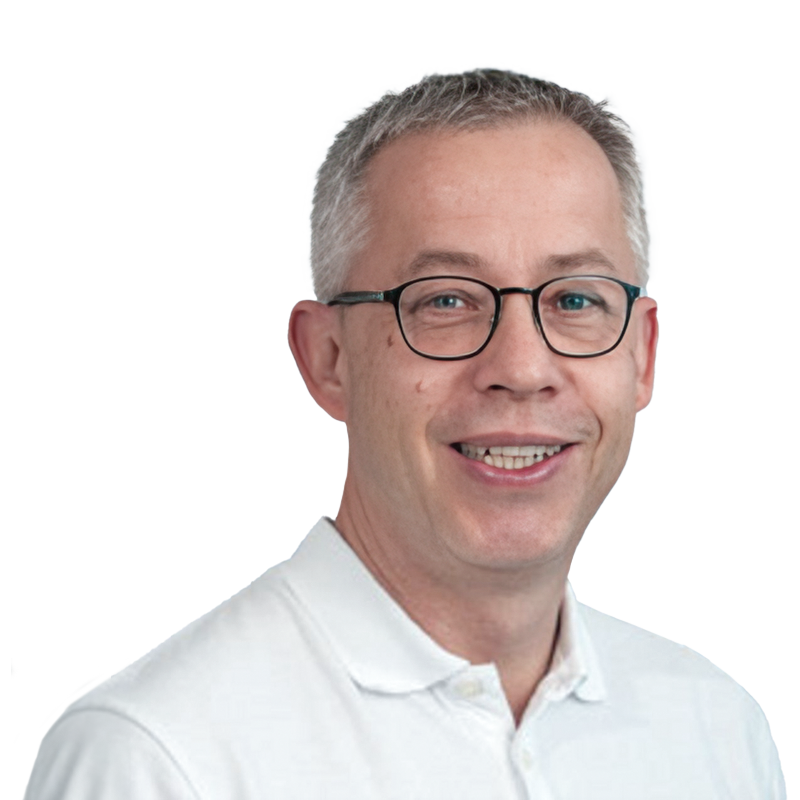
Dr. Matthias Rapp, Marienhospital, Stuttgart
What does “economy” mean? What does “industry” refer to? These terms are omnipresent in our everyday lives, we use them all the time. But let’s be honest: Could we explain the respective concept in a few sentences? And in such a way that even a primary school child understands?
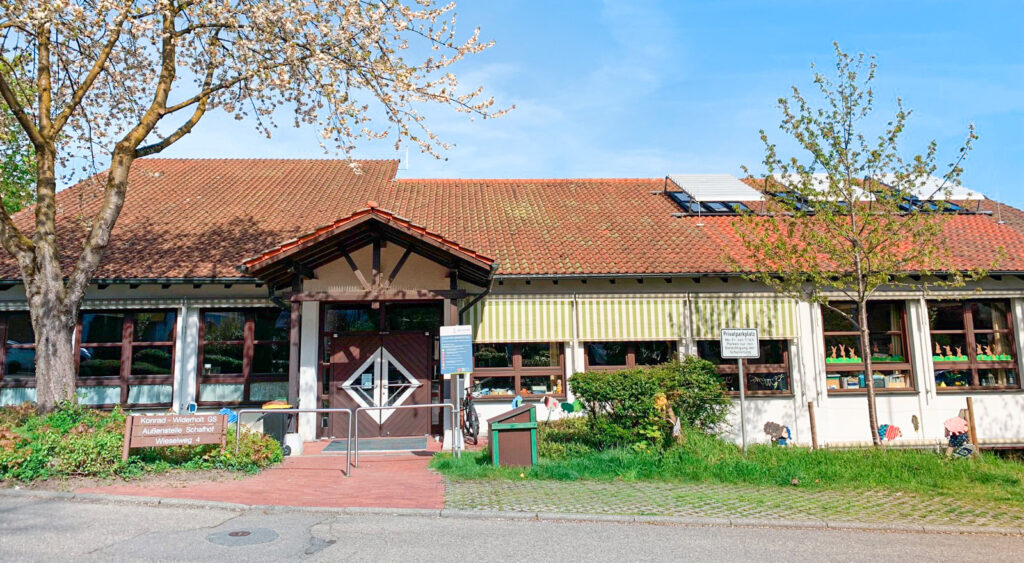
The task definitely needs a bit of preparation – and a clear example. We have decided on an object that every child knows, usually better than the parents would like: the Kinder Joy surprise egg. In spring 2024, we used the toy-filled chocolate egg to explain to around 20 second-graders from the Schafhof primary school in Kirchheim/Teck what we do as a “company”. This is what the primary school pupils who visited us together with their teacher wanted to know.
Using the Kinder Joy example, we have illustrated the path of a product over its entire life cycle. A good product requires research and development. After all, the chocolate should taste delicious and not melt directly in the hands. Someone has to produce the chocolate, choose the toy that goes into the egg, and has to think about whether the child who unwraps it at the end will enjoy it. Someone then has to sell the Kinder Joy to supermarkets, another has to do the advertising.
After this insight, our little visitors were allowed to stroll through the building at PolyMedics Innovations and see what we produce; as we all know, these are not chocolate eggs. At the side of her father Christian Planck, Luise Planck guided her classmates through offices, the clean room, and the production of artificial skin substitute materials.
At the end of their afternoon, the kids were allowed to get active themselves: Together with their teacher and some skilled PMI colleagues, each child made their own lava lamp. And, of course, there was also a surprise egg for everybody to take home.
Christian Planck, CEO of PolyMedics Innovations, cherished the visit of the primary school pupils as a proud Dad – and way beyond. “We cannot take the education of our children, our young generation, seriously enough. We hope that with our practice-oriented afternoon we were able to convey an understanding of ‘business’, ‘companies’, and thus also of what mom and dad do every day. We would like to thank the Schafhof Elementary School and their staff and ours, who made her way to us with her class.”
We from PMI hosted the KLIMAfit event that dealt with mobility. The mayor of Kirchheim, Dr. Pascal Bader also took part and reported on the challenges of a town becoming more climate neutral. His insights made this meeting a highlight for us.
At the beginning of July, we’ll have an “audit”: the commission will check whether all documentation has been prepared correctly and measures have been derived.
Later in July, all the participants will receive a certificate of participation in this project. We’re looking forward to this event hosted by Heller Maschinenfabrik.
