Polylactic Acid (PLA) Technology

What is PLA Technology?

Our PLA Technology behind our family of novel synthetic wound healing products is based on a proprietary lactide-based copolymer. While PLA-based polymers have been used in medical devices (particularly bioabsorbable sutures) since the late 1980s, PMI has taken the technology to a new level in the development of bioabsorbable membranes and matrices.
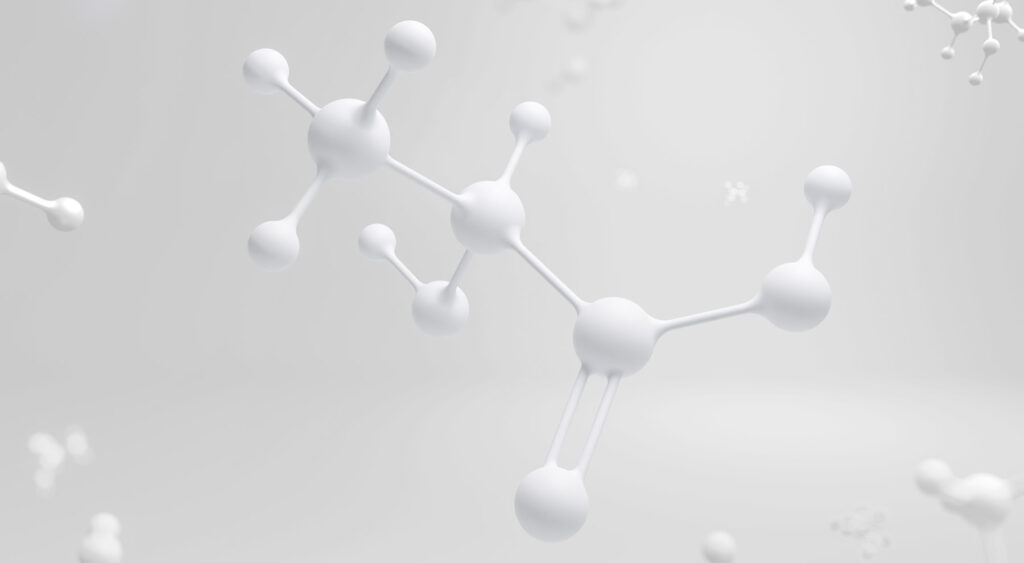
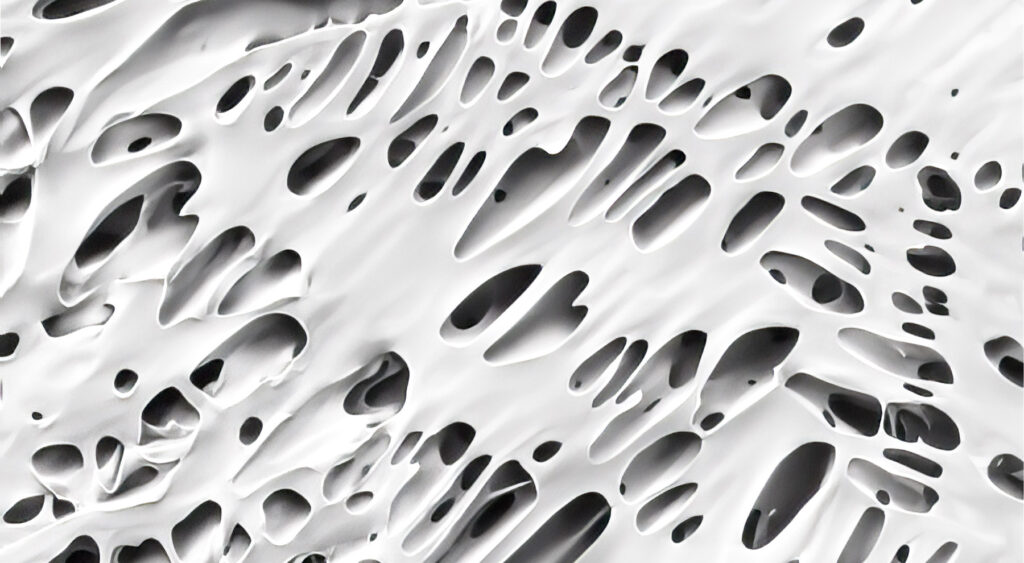
Our proprietary PLA Technology allows us the flexibility to create a unique family of structures not available in biological products:

  • Optimized and scalable porosity that supports angiogenesis and tissue ingrowth
  • Pliability and flexibility at room temperature
  • Adhesion and immediate conformation to the wound surface
  • No preparation necessary prior to application
  • No biological risks
  • Hydrolytically biodegradable to CO2 and H2O

Lactate promotes wound healing

Studies suggest that lactate supports wound healing by promoting angiogenesis and (epi-)dermis formation by:

  • Increase in VEGF (Vascular Endothelial Growth Factor) level1-4
  • Promotion of the migration of endothelial cells4-7 and fibroblasts8
  • Increase in collagen synthesis1,6,9-11

Lactic acid lowers the pH value

Lactic acid with a pKa of 3.83 reduces the pH, which accelerates wound healing through multiple mechanisms:

  • Reduction of MMP activity12
  • Improvement of tissue oxygenation12,13
  • Promotion of an unfavourable environment for pathogens12

What makes PLA Technology unique?

Our proprietary lactide-based copolymer is incorporated into a unique porous structure used in PMI’s SUPRATHEL® membrane and SUPRA SDRM® matrix. This combination of polymer and structure creates a positive environment for cell migration as well as tissue regeneration and re-epithelization.

Why use synthetics?

As synthetics are not based on biological materials, there is a much lower risk of contamination by residues of biological substances (e.g. proteins or pyrogens) which can trigger inflammation, allergic reactions or rejection of the material.

Why use synthetics?

Compared to collagen dressings, PMI synthetic technology has been proven to reduce the healing time of chronic wounds by more than 40%.14

1Constant et al. Wound Repair Regen. 2000 Sep-Oct;8(5):353-60. | 2Hunt et al. Antioxid Redox Signal. 2007 Aug; 9(8): 1115–1124.Lu et al. J Biol Chem. 2005 Dec 23;280(51):41928-39. | 3Trabold et al. Wound Repair Regen. 2003 Nov-Dec;11(6):504-9.| 4Kumar et al. J Cell Physiol. 2007 May;211(2):477-85. | 5Beckert et al. Wound Repair Regen. 2006 May-Jun;14(3):321-4. | 6Porporato et al. Angiogenesis. 2012 Dec;15(4):581-92. | 7Ruan et al. J Biol Chem. 2013 Jul 19;288(29):21161-72.| 8Wagner et al. Wound Repair Regen. 2004 May-Jun;12(3):368-73. | 9Green et al. Nature. 1964 Oct 24:204:347-9. | 10Hunt et al. Am J Surg. 1978 Mar;135(3):328-32. | 11Klein et al. J Hand Surg Am. 2001 Sep;26(5):847-54. | 12Strohal et al. Adv. Skin Wound Care. 2018;31:163–171122-131 | 13Basavraj et al. January 2015. Wounds: a Compendium of Clinical Research and Practice 27(1):5-11. | 14Liden et al. Wounds. 2023 Aug;35(8):E257-60.