


Shift to Synthetics
SUPRATHEL® is a proven synthetic skin substitute that has revolutionized the treatment of epidermal and dermal wounds. Since its launch more than 20 years ago, it has significantly influenced the switch to synthetic products and is now used in more than 40 countries worldwide as a standard treatment for second-degree burn wounds and split thickness skin graft (STSG) donor sites.
Like a second skin
Like a second skin, SUPRATHEL® cgently covers the wound and promotes rapid, complication-free healing. Developed in analogy to human skin SUPRATHEL® has the same important properties such as elasticity, water vapour permeability and impermeability to bacteria.
Single application
SUPRATHEL® is applied only once to the previously cleaned, debrided, and disinfected wound and remains there until complete healing. After application, the membrane becomes transparent and allows the healing process to be evaluated.
Indications
SUPRATHEL® is intended for the treatment of wounds that include:
- Epidermal and dermal wounds
- Split-thickness skin graft donor sites
- Second-degree burns (2a/2b)
- Second-degree burn with third-degree parts

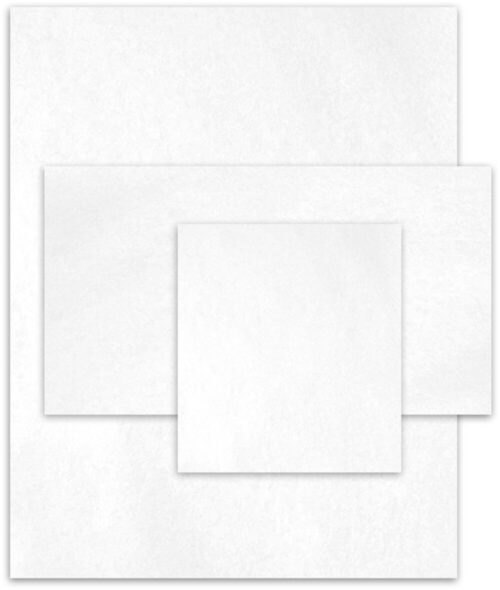
SUPRATHEL® is available in many configurations to enable a customised treatment for different types of wounds in each patient.
Benefits
Single application, no change of SUPRATHEL® necessary
Significant pain relief up to 60%1-4
- Less anesthesia and pain medication required1,5-6
Low rate of infections, no biologic risk1,2,5,7-9
- Synthetic, biocompatible, absorbable
- No reported allergic reactions
Fast wound healing1,2,5
- Improved epithelialization3-11
Lower treatment costs
- Less cost and effort for dressing changes2,9
- Shorter hospital stay5
Excellent cosmetic outcomes and scar quality 4,7,8
Low inflammatory reaction12
Reduced transplantation rate 6
Composition
SUPRATHEL® is purely synthetic and therefore does not bear any residual risks as can be the case with biological products of human or animal origin. Upon final resorption, PMI’s PLA Technology leaves only CO2 and H2O in the wound bed.
Polymer:
Lactide-based copolymer
Degradation:
Hydrolytically (to CO2 and H2O)
Permeability to water vapor:
40 – 70 ml/m2 (hour), 1,000 – 1,700 ml/m2 per day
Porosity:
70% – 80%
Support materials
Contact your local representative for additional information.
|
Size# |
Quantity# |
|
5×5 cm |
5 |
|
9×10 cm |
1 |
|
9×10 cm |
5 |
|
18×10 cm |
1 |
|
18×10 cm |
5 |
|
18×23 cm |
1 |
|
18×23 cm |
5 |
|
Face Mask* |
1 |
|
Hand Shape* |
2 |
“SUPRATHEL® represents an integral armamentarium in burn surgery.”
Lect. MD. Lars-Peter Kamolz, M. Sc, Vienna
1 Schwarze et al. Burns. 2007 Nov;33(7):850-4 | 2 Schwarze et al. Ann Plast Surg. 2008 Feb;60(2):181-5 | 3 Uhlig et al. Burns. 2007 Mar;33(2):221-9 | 4 Kaartinen et al. J Plast Surg Hand Surg. 2011 Sep;45(4-5):200-3 | 5 Everett et al. J Wound Care. 2015 Jul;24(7):S4-8 | 6 Schriek et al. Eur Burn J. 2022 Dec;3(1):1–9 | 7 Keck et al. Burns. 2012 May;38(3):388-95 | 8 Hundeshagen et al. J Burn Care Res. 2018 Feb 20;39(2):261-7 | 9 Markl et al. Ann Plast Surg. 2010 Nov;65(5):490-6 | 10 Gurunluoglu et al. J Burn Care Res. 2019 Jun 21;40(4):444-50 | 11 Gurunluoglu et al. J Burn Care Res. 2019 Apr 26;40(3):302-11 | 12 Demircan et al. Ulus Travma Acil Cerrahi Derg. 2021 Jan;27(1):122-31